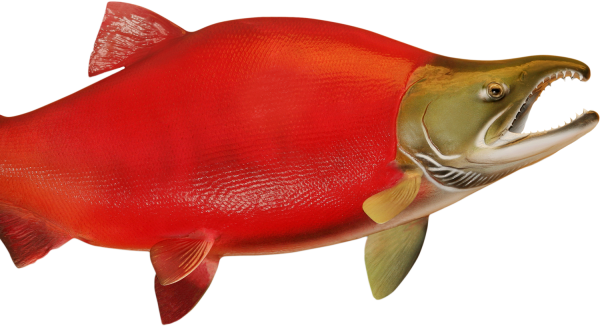
When the Salmon commence their unique journey from the ocean, to their freshwater birthplace to reproduce, it's riddled with obstacles and dangers. Explore our interactive feature, and discover just what the Sockeye's journey entails.

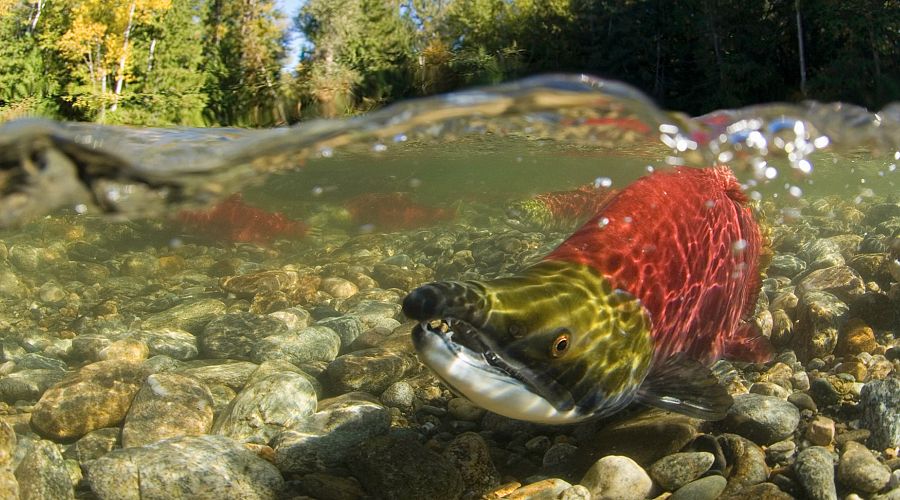
The Salmon's Journey

Summer 2025
Come for a visit! Say hello to our wonderful summer staff - Petra and Jonah!
Our Interpretive Cabin is Open most Wednesdays, Saturdays & Sundays + Canada Day July 1
Check out a Free Interpretive Walk on Wednesdays.
Be respectful of our land and the trails and the river.
As per BC Parks Regulations, all dogs must be on a leash when visiting the park.
See you soon.
Credit: The Adams River Salmon Society
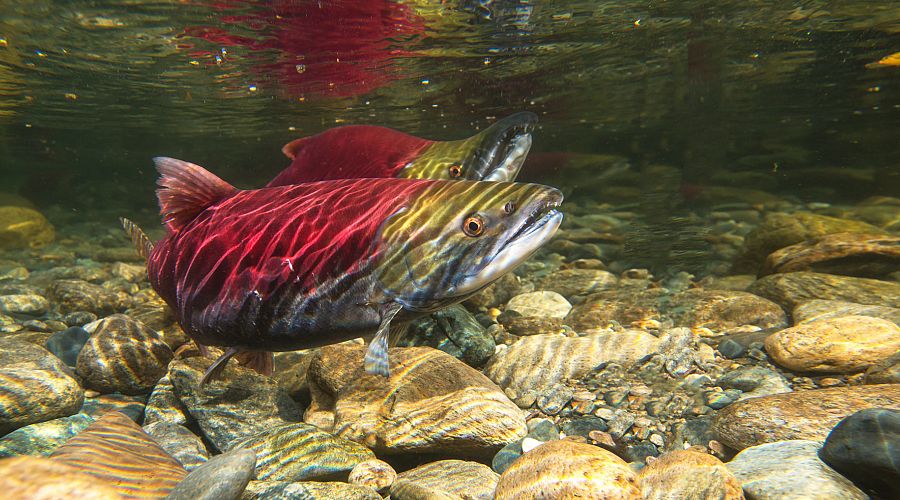
About the Adams River Salmon Society
The Adams River Salmon Society is run by a volunteer board of directors who are elected by the membership at the Annual General Meeting. The primary focus of the Society is to help organize and run the Salute to the Sockeye held during the dominant run every four years.
The Society helps to determine how best to utilize the proceeds from the Salutes, including the event admission revenue, to fulfill its mandate to encourage and facilitate the education and conservation of the natural and cultural resources of Tsútswecw Provincial Park (Roderick Haig-Brown).
Learn more through our Education Program!
Credit: Bruce Moffat
Salute to the Sockeye
The Salute to the Sockeye takes place on the dominant year of the four-year cycle. The Salute to the Sockeye is the largest Sockeye Salmon run in North America. Hope you can make plans to join us October 2026.
Credit: National Geographic

Fall 2024
Welcome to Fall 2024.
The main parking lot at Tsútswecw Provincial Park has been re-opened, as of August 21, 2024.
The trail to the viewing platform and up to Adams River Bridge have also been opened for foot traffic. The Wade Road parking lot and Upper Trails will continue to remain closed.
The Island Loop Trail/Bridge will also remain closed, as much work needs to be done to make that area safe and accessible.
As of mid- October the Chinook and limited Sockeye salmon, have been seen spawning in Adams River. They are visible from both the viewing platforms and along the river trails. Please do not enter the river and please stay along the marked trails.
We ask that all visitors continue to respect the land and the park and to please stay on the trails. All dogs must be kept on a leash.
REMINDER: Adams River is closed to any fishing between the No Fishing Boundary Signs during spawning season. That means any/all types of fishing is forbidden. Please refresh your knowledge on this region.
Credit: Janis Smith Photography

New for Summer 2024
Come visit our Mobile Interpretive Trailer at Shuswap Lake Provincial Park on Wednesday's in July and throughout the summer on weekends from 930-230pm starting June 22.
Our education team and interpretive guides will be on site during these limited hours to meet visitors, interact with Survival of the Salmon and other games and have the trailer open for you to explore the fun facts about our amazing watershed.
We are located in the Day Use Parking lot, next to the SLPP Nature House.
Until we can fully open Tsutswecw Provincial Park to welcome visitors, this is a great location to come by and say hello.
See you out there.
Credit: Petra Simpson
Fall 2023
Thanks to all the Salmon Fans for reaching out and wanting to be part of the spawn this fall.
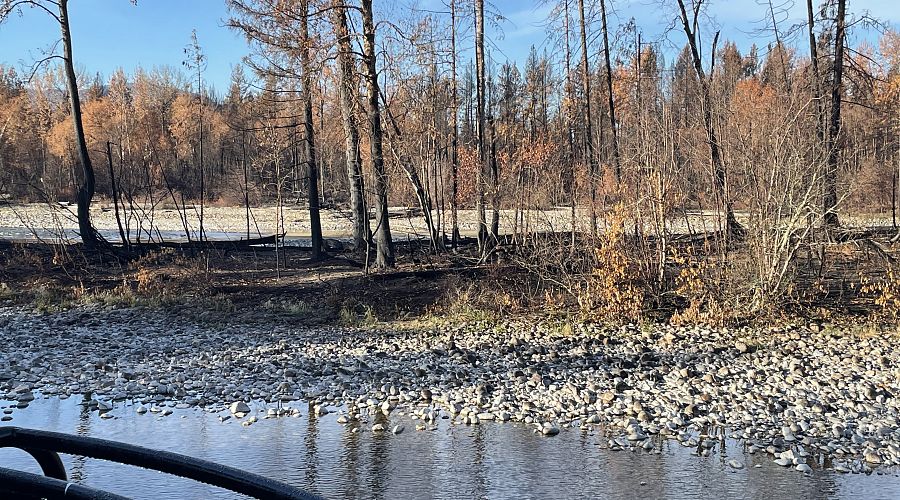
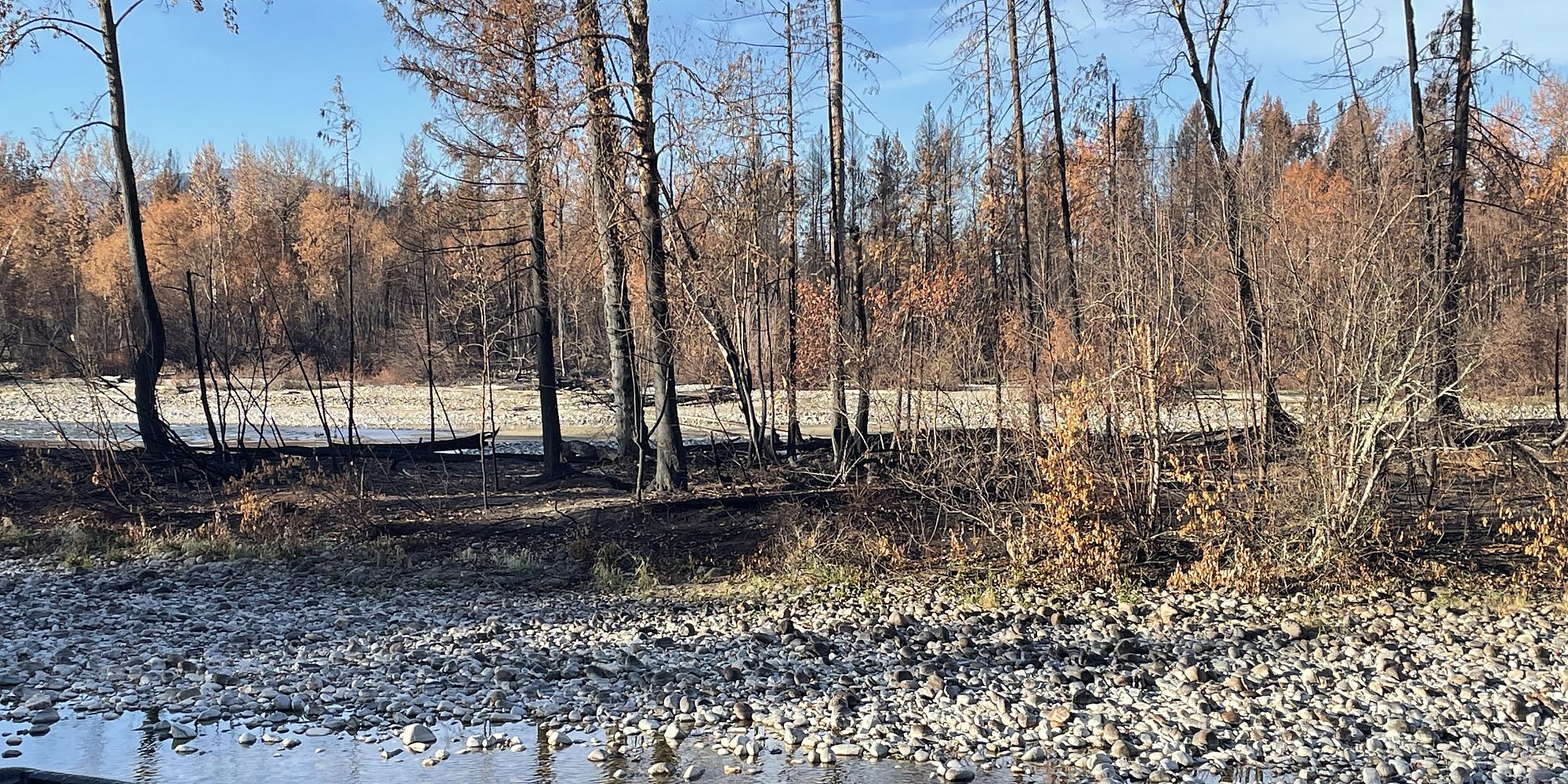
We know many have asked about access to Tsútswecw Provincial Park and the the Interpretive Cabin, but unfortunately due to the Bush Creek East Wildfire that ravished our community, the park and region is still closed and there is no access to the Provincial Park at this time.
We know that there are lots of down trees, and even more importantly, danger trees still standing that need further assessment before the park re-opens and is deemed safe for visitors. Please continue to check back here, and the BC Parks website for more current information.
In the meantime, check out Pacific Salmon Foundation for their interactive map on where to see the salmon on their continued spawning journey.
Pacific Salmon Foundation Salmon Spotting
Thank you to everyone for your thoughts and well wishes as we work to rebuild the community that we call home. We look forward to hosting you soon at the park when it is deemed safe for visitors.
Don't MISS our 2023 AGM!
December 11 at 10am - hosted virtually.
Please email Michelle to RSVP your attendance: executivedirector@salmonsociety.com
Salute to the Sockeye Event
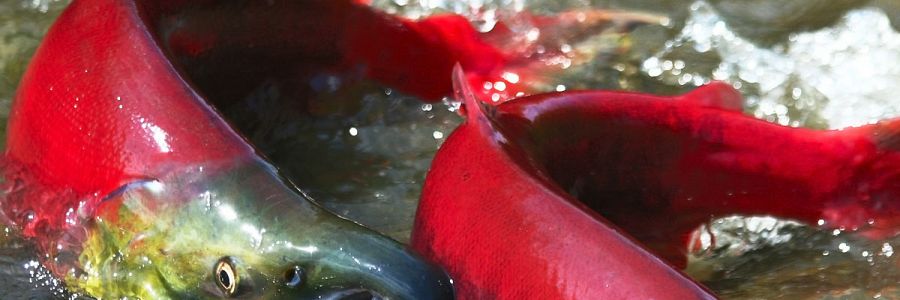
Join us in October 2026 for the next Salute to the Sockeye Festival in Tsútswecw Provincial Park.
Volunteer
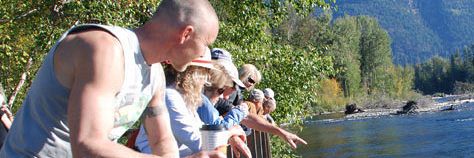
Past successes in hosting our Salute to the Sockeye Celebrations were only possible because of your involvement. The 2026 festival will be no different.
Photo Credit: Jim Cooperman
Tour Operators
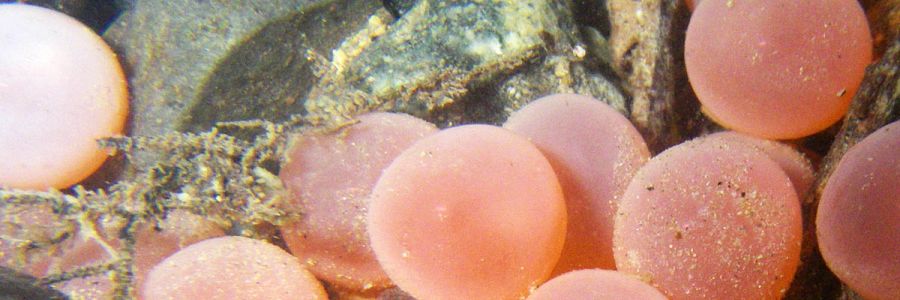
Tourism Operators and Bus Tours are welcome on site during the Salute to the Sockeye. The Society does provide a guided tour program for Bus Tour Operators, and Commercial Private Clients.
These guides are available in an extremely limited number, and we suggest you book soon. Contact info@salmonsociety.com
Photo Credit: Dave Smith

Secwépemc
The Adams River sockeye have held an important place in the lives of the Secwepemc people of the Shuswap Lakes and Adams Lake for thousands of years.
Photo Credit: Dave Smith
Latest News
Winter 2024 Update
Happy 2024 everyone. With the new year upon us, we have been receiving many inquires as to the status of Tsútswecew Provincial Park. Here is some information that CSRD Area F elected representative Jay Simpson posted i...
Latest News
Fall 2023 Update
Thanks to all the Salmon Fans for reaching out and wanting to be part of the spawn this fall. We know many have asked about access to Tsútswecw Provincial Park and the the Interpretive Cabin, but unfortunately due to the Bush Cree...
Latest News
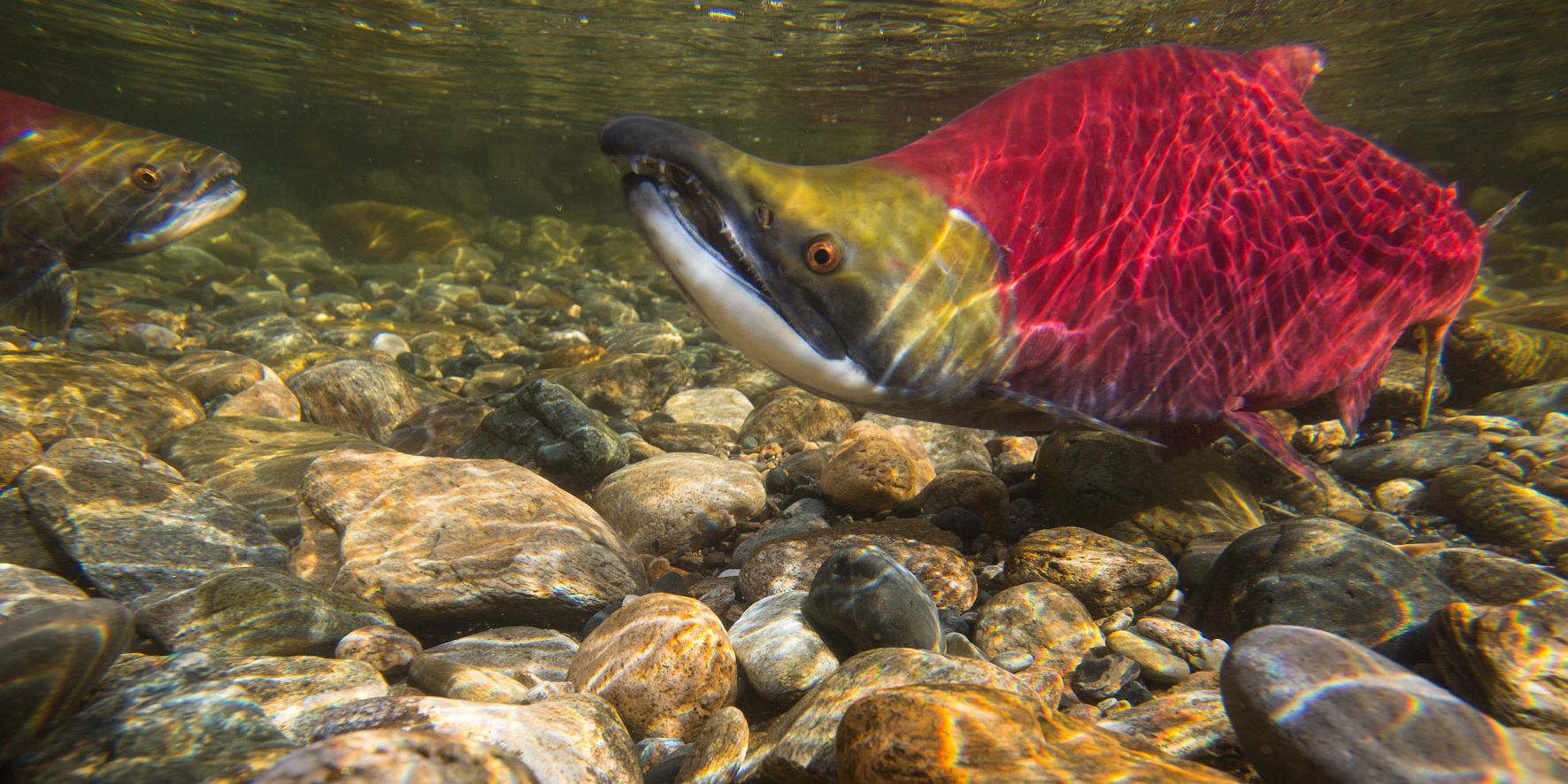
Tsútswecw Provincial Park (Roderick Haig-Brown)
About This Park This is a fascinating place to visit at any time of year, but particularly in early October during the run of the Adams River sockeye salmon. The Adams River has one of the largest Sockeye salmon runs in North America....
Latest News
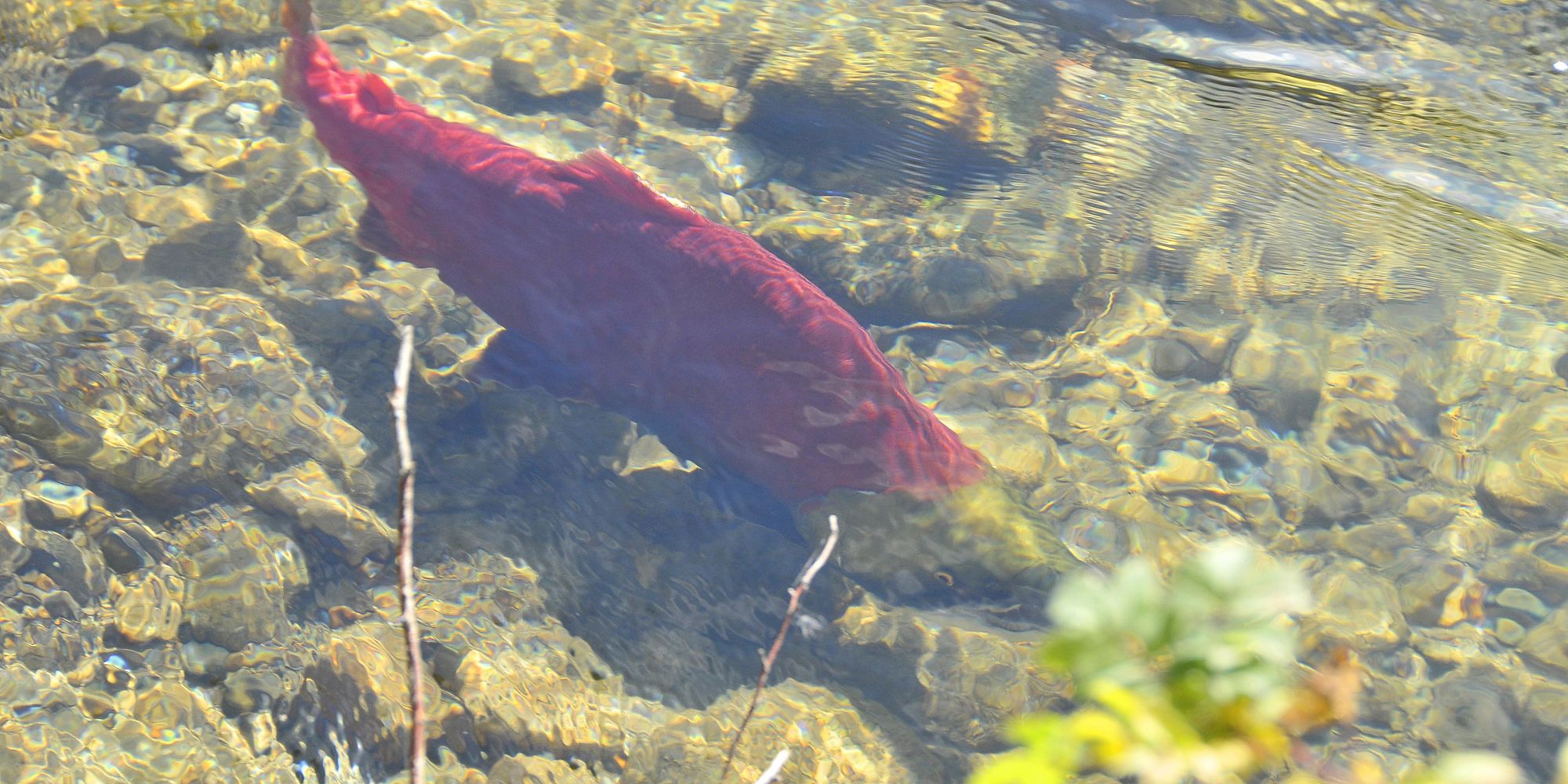
life and death on the river
The spectacular salmon I have to admit that some of these pictures are a bit deceptive. Like the one of the hook-jawed male sockeye salmon. He’s finning in the cu...

Latest News
Sockeye run in Shuswap expected to be close to 2014 numbers
Sockeye run in Shuswap expected to be close to 2014 numbers ...
Become a Member
Say “I SUPPORT WILD SALMON” by becoming a member of The Adams River Salmon Society- for only $35.
Receive updates about Society activities and concerns affecting all wild salmon including the local environment.